
Environmental Ethics in the Hadith: Building Ecological Awareness in the Era of Global Warming
Article Sidebar
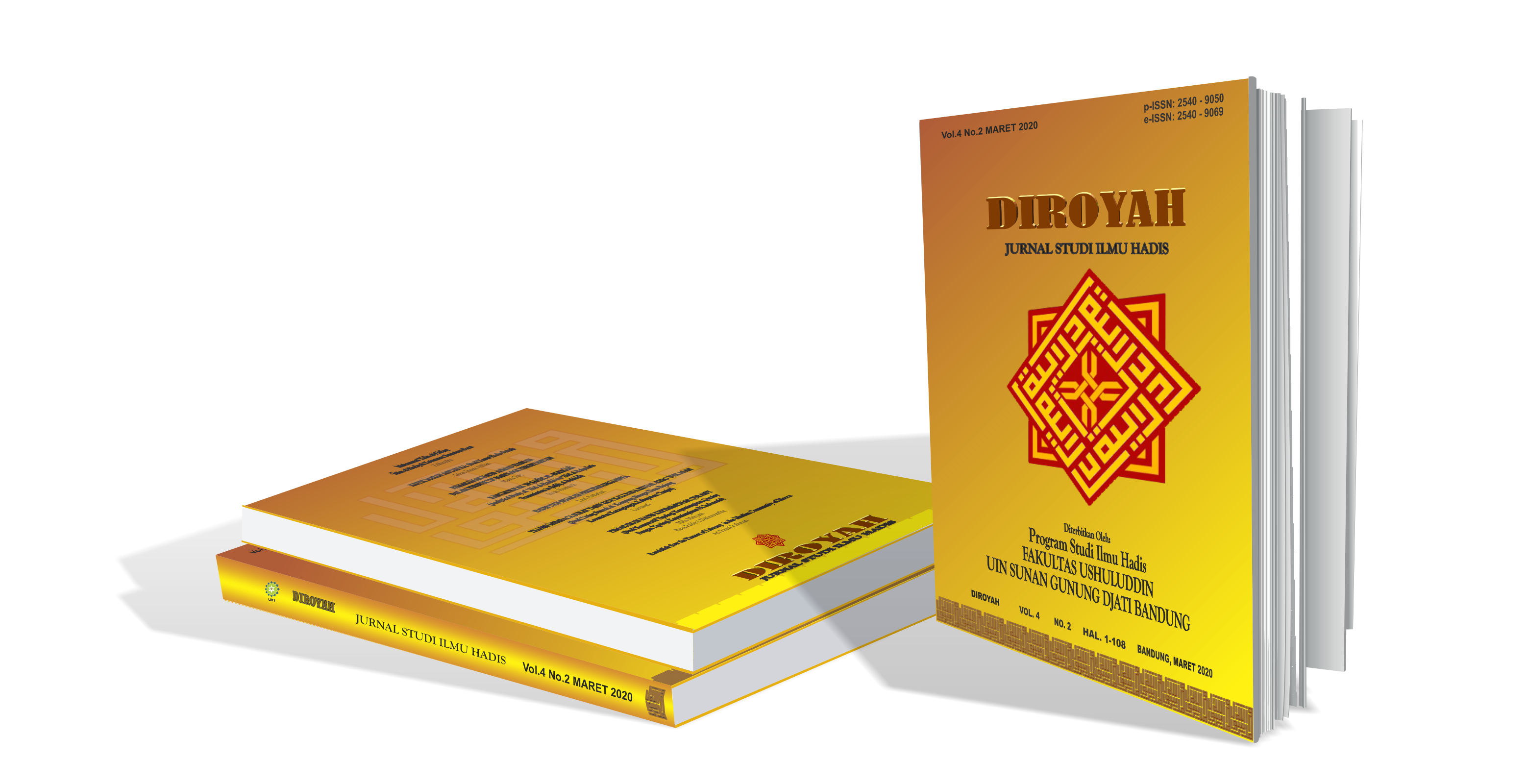
Published:
Jun 19, 2025
Keywords:
Environmental Ethics, Hadith, Ecological Awareness, Global Warming, Ecology
Main Article Content
Abstract
Global warming has become a pressing issue that impacts the sustainability of life on Earth. This environmental crisis raises questions about how Islamic ethical values, especially those derived from the hadith, can play a role in building ecological awareness in modern society. The hadith as one of the main sources of Islamic teachings contains moral principles that can be interpreted in an environmental context, such as preserving nature, preventing damage, and treating living things fairly. This study aims to explore the ecological ethics contained in the hadith and its relevance to the issue of global warming. Using a descriptive-analytical qualitative method, this study analyzes the hadiths related to human responsibility towards nature and relates them to the concept of modern ecology. The study’s results indicate that the values of environmental ethics in the hadith provide a strong theological basis for Muslims to be actively involved in maintaining the balance of the ecosystem and reducing the impact of global warming. The main conclusion of this study is that Islamic teachings, through understanding the hadith, can make a significant contribution to building ecological awareness and real action in facing the global environmental crisis.
Article Details
Section
Articles

This work is licensed under a Creative Commons Attribution-ShareAlike 4.0 International License.
Authors who publish with this journal agree to the following terms:
- Authors retain copyright and grant the journal right of first publication with the work simultaneously licensed under a Creative Commons Attribution-NonCommercial-ShareAlike 4.0 International License that allows others to share the work with an acknowledgment of the work's authorship and initial publication in this journal.
- Authors are able to enter into separate, additional contractual arrangements for the non-exclusive distribution of the journal's published version of the work (e.g., post it to an institutional repository or publish it in a book), with an acknowledgment of its initial publication in this journal.
- Authors are permitted and encouraged to post their work online (e.g., in institutional repositories or on their website) prior to and during the submission process, as it can lead to productive exchanges, as well as earlier and greater citation of published work (See The Effect of Open Access).
References
Abdullah, S. M. (2018). Preservation of the Environment by Smart Energy Consumption. Islam and Civilisational Renewal, 9(1), 76–96. https://doi.org/10.12816/0049516
Ahmad, A., Rahman, M. A., Rehman, F. U., Lbath, A., Afyouni, I., Khelil, A., … Wahiddin, M. R. (2014). A framework for crowd-sourced data collection and context-aware services in Hajj and Umrah. 2014 IEEE/ACS 11th International Conference on Computer Systems and Applications (AICCSA), 405–412. https://doi.org/10.1109/AICCSA.2014.7073227