
Prophetic Hadith and the Spectrum of Night Devotion: Reconstructing Qiyām al-Lail in Contemporary Context
Article Sidebar
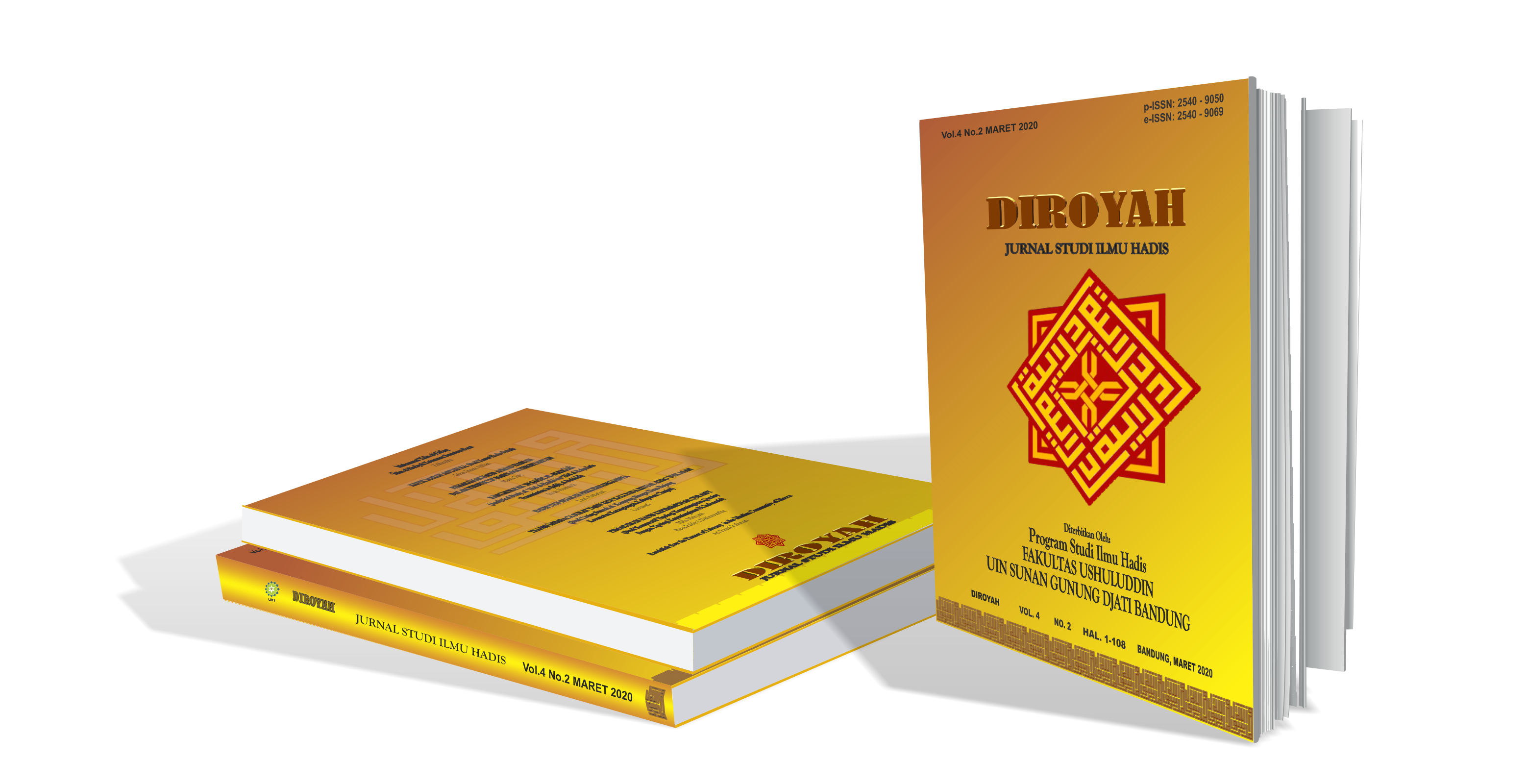
Main Article Content
Abstract
The concept of qiyām al-lail in Islamic tradition is often narrowly interpreted as night prayers such as tahajjud or witir. However, numerous Prophetic traditions indicate that nighttime devotion includes not only prayer but also spiritually significant acts like remembrance (dhikr), Qur’anic recitation, consultation, education, and social service. This study aims to reinterpret the meaning of qiyām al-lail in the Prophet’s ḥadīths through a ma’ānī al-ḥadīth approach that emphasizes textual, intertextual, and contextual analysis. The method employed is qualitative library research with takhrīj al-ḥadīth and critical analysis of the chains of transmission (isnād) and content (matn) of ḥadīths found in the kutub al-tis’ah. The results show that the examined ḥadīths are authentic, free from ‘illah or shudhūdh, and provide a robust basis for reinterpretation. Through a meaning-based lens, qiyām al-lail encompasses not only ritual practices like prayer but also other nightly acts of devotion intended for seeking nearness to Allah. This reinterpretation affirms that spiritual excellence at night can manifest in various forms of contextualized religious and social engagement. Thus, this study expands the understanding of nighttime worship and brings the prophetic tradition closer to the lived realities of contemporary Muslims
Article Details

This work is licensed under a Creative Commons Attribution-ShareAlike 4.0 International License.
Authors who publish with this journal agree to the following terms:
- Authors retain copyright and grant the journal right of first publication with the work simultaneously licensed under a Creative Commons Attribution-NonCommercial-ShareAlike 4.0 International License that allows others to share the work with an acknowledgment of the work's authorship and initial publication in this journal.
- Authors are able to enter into separate, additional contractual arrangements for the non-exclusive distribution of the journal's published version of the work (e.g., post it to an institutional repository or publish it in a book), with an acknowledgment of its initial publication in this journal.
- Authors are permitted and encouraged to post their work online (e.g., in institutional repositories or on their website) prior to and during the submission process, as it can lead to productive exchanges, as well as earlier and greater citation of published work (See The Effect of Open Access).
References
Afriani, A., & Wijaya, F. (2021). PENDEKATAN TEKSTUAL DAN KONTEKSTUAL DALAM STUDY HADIST. JOURNAL OF ALIFBATA: Journal of Basic Education (JBE), 1(1), 37–54. https://doi.org/10.51700/alifbata.v1i1.91
Akbari, M. F., Hudaya, H., & Munawwarah, H. (2025). METODE KRITIK MATAN HADIS PERSPEKTIF ULAMA HADIS. Al-Falah: Jurnal Ilmiah Keislaman Dan Kemasyarakatan, 25(1), 15–31. https://doi.org/10.47732/alfalahjikk.v25i1.398